Nepali food is not Thai food, not Indian food, and not Tibetan food — though it shares borders, ingredients, and occasional techniques with all three. It occupies its own position: high-altitude comfort food built from lentils, rice, wild herbs, fermented vegetables, and a spice palate that ranges from gentle turmeric warmth to face-melting timur (Sichuan pepper) numbness. And the best way to understand it — to carry it home with you permanently — is to learn to cook it.
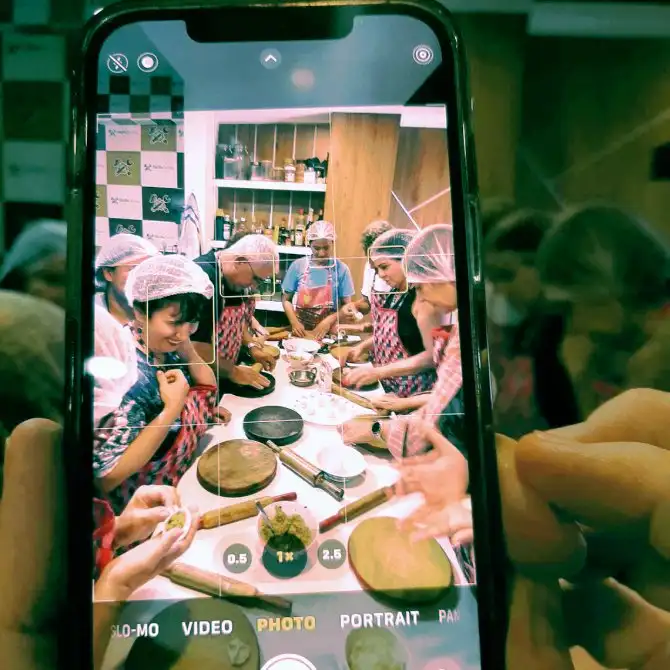
Cooking classes in Nepal range from 2-hour momo-folding sessions to full-day market-to-table experiences. The best ones combine market shopping (selecting ingredients with your instructor), hands-on preparation (you cook, not watch), cultural context (why these dishes exist, what occasions they serve), and of course eating everything you made.
What You Will Learn
Dal Bhat with Mo:Mo — The Foundation
Every cooking class teaches dal bhat because it is Nepal's foundational meal — eaten twice daily by 30 million people. But learning to cook it reveals why this "simple" dish is actually technically demanding:
Jhwainya parne (tempering): Heat oil until shimmering. Drop mustard seeds — they pop and jump. Add fenugreek seeds (they burn in 5 seconds if oil is too hot). Dried chilies. Cumin. Garlic slices. The entire process takes 30-45 seconds and requires precision timing. Pour this sizzling mixture into the cooked lentils. The transformation is immediate — flat, protein-y lentil soup becomes aromatic, complex, alive.
Rice by absorption: Wash until clear water (removes surface starch that makes rice sticky). Measured water ratio. Single boil, lowest flame, lid sealed, 15 minutes. No peeking. The discipline of not opening the lid is genuinely challenging for students trained to check and stir.
Tarkari (vegetable curry): Seasonal vegetables cooked in a base of onion, tomato, turmeric, cumin, and coriander. The technique — getting onions past translucent to golden without burning — is the same foundation skill that French cuisine calls "sweating." Nepal just uses different aromatics.
Momos — Nepal's Beloved Dumpling
Every visitor encounters momos — Nepal's version of the filled dumpling family (Chinese jiaozi, Japanese gyoza, Tibetan momo). Making them yourself reveals the skill involved:
The dough: Flour, water, salt. Kneaded until smooth and elastic. Rested. Rolled thin — thinner than you think possible without tearing.
The filling: Minced vegetables (cabbage, carrot, onion) or chicken/buffalo, seasoned with ginger, garlic, soy sauce, sesame oil, coriander. The secret: don't overfill. Beginners always overfill.
The folding: This is where artistry enters. The classic crescent fold uses 18-22 pleats creating a spiraling sealed edge. Your first attempts will look like crumpled paper. By your tenth momo, recognizable form emerges. By your fiftieth (if you practice at home), beauty.
The cooking: Steamed in bamboo steamers for 10-12 minutes (steam momos) or pan-fried with water-steam method (kothey momos). Served with tomato-sesame dipping sauce (jhol achar) that itself requires a separate cooking lesson.
Sel Roti — Festival Bread
Nepal's ring-shaped rice bread, made primarily during Tihar and Dashain festivals. Batter (rice flour, sugar, cardamom, butter) is hand-poured in a circular motion into hot oil. The shape requires a specific wrist movement that takes multiple attempts to master. Eat warm — crispy outside, soft inside, mildly sweet.
Achar — The Pickle Universe
Nepali achars (pickles/chutneys) are where individual household identity lives. Every family has proprietary recipes. Classes teach several:
- Tomato achar: Charred tomatoes, sesame seeds, timur pepper, chili, garlic — ground together on a silautho (stone mortar). This is the dipping sauce for momos and the condiment that makes dal bhat extraordinary.
- Radish achar: Julienned daikon with sesame, chili, lemon — raw, crunchy, sharp
- Gundruk achar: Fermented leafy greens (Nepal's answer to sauerkraut) — savory, tangy, complex
Nepali Tea (Chiya)
More than blant tea — Nepali tea preparation is a daily ritual. Black tea brewed with milk, sugar, and spices (cardamom, ginger, cloves, sometimes black pepper). The technique: simultaneous boiling of tea, milk, and spices together (not adding milk later). Strained and served in small glass cups. Learning the proportions — strong enough to be flavourful, sweet enough to be comforting, spiced enough to be warming — requires tasting and adjusting.
The Market Experience
The best cooking classes begin not in the kitchen but in the local market. In Kathmandu, this means Asan Tole or Kalimati; in Pokhara, the Mahendrapool bazaar.
What you learn at the market:
- How to select dal (different lentil types for different preparations: masoor for fast cooking, moong for lighter dal, urad for richness)
- Seasonal vegetable recognition (Nepal has vegetables with no English name — pharsi, tite karela, tama)
- Spice identification (whole vs ground; fresh vs dried; the smell test)
- Bargaining norms (fixed price for staples, negotiable for produce, never rude)
- Cultural observation (how Nepali women shop — confident, fast, no-nonsense with vendors)
Walking through a Nepali market with a local instructor reveals a hidden cultural layer. The piles of colored powders are not merely "spices" — each has religious significance (red sindoor for worship, yellow turmeric for purification). The flower garlands are not decoration — they are daily offerings. The brass utensils are not aesthetic choices — they are believed to purify water.
Class Formats Available
Half-Day Class (3-4 Hours)
Includes: Market visit (1 hour) + cooking (2-2.5 hours) + eating Dishes: 3-4 items (typically dal bhat + momos + achar) Best for: Travelers with limited time who want core recipes Cost: $50 per person
Private Family Kitchen Experience
Includes: Cooking in a Nepali family home with the household cook Dishes: Whatever the family eats that day — completely authentic, no adaptation for tourists Best for: Cultural immersion, experienced home cooks wanting advanced techniques Cost: $40-70 per person (smaller groups preferred)
More Than Cooking: A Survivor-Led Kitchen That Funds the Fight
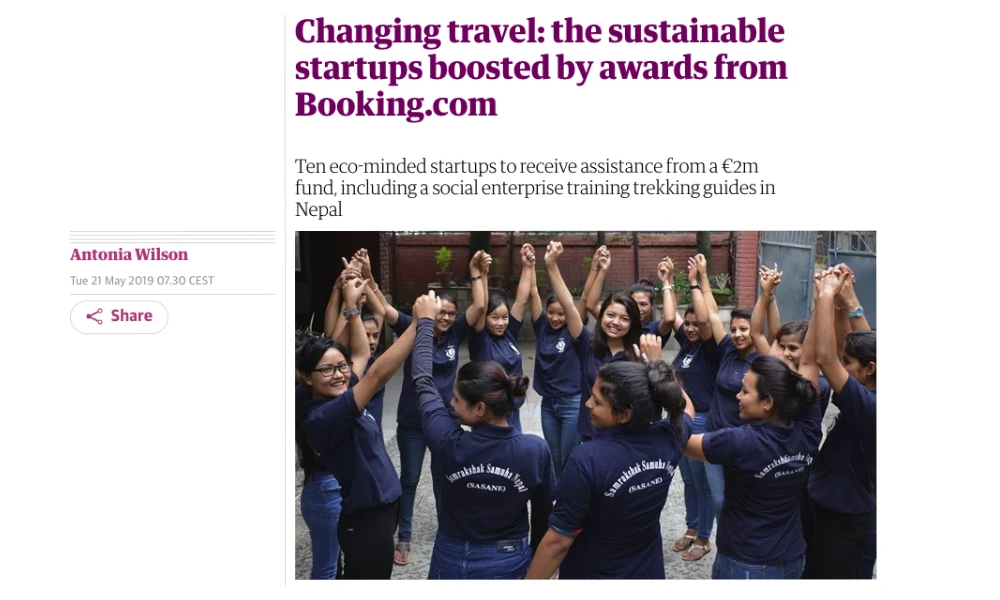
SASANE's cooking classes are not ordinary tourist activities. The United Nations World Tourism Organization (UNWTO) specifically recognized SASANE's culinary programme because it includes an educational component on sex trafficking and women's rights — making it one of the only cooking experiences in the world where food becomes a vehicle for human rights education.
How the Programme Works
The women who lead SASANE's cooking classes are survivors of trafficking and gender-based violence — professionally trained cooks whose classes fund the next woman's path into hospitality. These women then lead cooking classes for travelers, teaching both Nepali cuisine and the reality of trafficking in Nepal. The meal you cook together becomes a conversation — about the spice trade routes that also moved people, about the rural communities these women come from, about what economic independence means when your alternative was exploitation.
This is what the UNWTO Award for Excellence and Innovation recognized: the dual impact of a single tourist activity that simultaneously provides economic empowerment for survivors AND educates travelers about the trafficking systems that tourism can either enable or dismantle.
What Makes SASANE's Classes Different
Several of SASANE's 200+ trained survivor guides come from backgrounds where cooking was a survival skill before it became a professional teaching skill. Nepali women learn to cook from childhood — not as a hobby but as a fundamental life competency. This depth of knowledge — which spices cure headaches, which combinations prevent altitude sickness, which preparations keep in mountain cold — goes far beyond what a professional chef teaches.
Partner organizations book these experiences for international travelers, validating the quality. The To Do Award 2023 recognized SASANE's human rights-centered tourism model — and these cooking classes are a core example of how cultural exchange and anti-trafficking education can happen simultaneously.
SASANE guides who lead Kathmandu Valley cultural walks integrate cooking experiences into full-day itineraries — ensuring quality instruction, fair pricing, and survivor-led education rather than performative tourism.
Recipes to Practice at Home
Basic Dal (Serves 4)
Ingredients:
- 1 cup red lentils (masoor dal), washed
- 4 cups water
- 1/2 tsp turmeric
- Salt to taste
Tarka:
- 2 tbsp vegetable oil or ghee
- 1/2 tsp mustard seeds
- 1/4 tsp fenugreek seeds
- 2 dried red chilies
- 3 cloves garlic, sliced
- 1/2 tsp cumin seeds
Method:
- Boil lentils with turmeric and water until completely soft (20-25 min). Mash slightly.
- Heat oil in small pan until shimmering.
- Add mustard seeds — wait for them to pop.
- Add fenugreek, cumin, chilies, garlic — stir 20 seconds until garlic is golden (not brown).
- Pour entire tarka into dal. Cover immediately (it splatters). Stir. Add salt. Done.
Momo Dipping Sauce (Jhol Achar)
Ingredients:
- 4 tomatoes, charred (hold over gas flame or grill until blackened)
- 2 tbsp sesame seeds, toasted
- 3 cloves garlic
- 2-3 dried chilies (adjust to taste)
- 1/2 tsp timur pepper (or Sichuan pepper)
- Salt, fresh coriander
Method: Grind everything together — traditionally on stone mortar, practically in blender or food processor. Texture should be chunky, not smooth. Adjust chili and salt. Serve room temperature.
Best Time for Cooking Classes
Cooking classes operate year-round — they are indoor activities unaffected by seasonal weather.
However, timing within your trip matters:
- Before trekking: Learn what dal bhat is and how it is made before eating it for 7-10 consecutive days on the trail. Context enriches every teahouse meal.
- During festivals: Classes during Dashain or Tihar include festival-specific dishes (sel roti, meat preparations) not normally taught.
- Post-trek: Cooking class makes an excellent gentle activity after returning from Annapurna or Langtang — physical rest combined with cultural engagement.
Include a cooking class in your Nepal experience →
What Our Travelers Say
"I had such a fun time learning about the spices and foods of Nepal. The 3 young women, Sushila, Sabita and Rezoo, were absolutely delightful. I was able to choose the menu I wanted to prepare and everything turned out great. Arrive hungry because you'll have lots of delicious food to eat at the end."
— Suzanne W, Phoenix, Arizona, TripAdvisor (November 2025)
Frequently Asked Questions
Do I need cooking experience to take a class? No. Classes accommodate complete beginners through to experienced home cooks. Instructors demonstrate each step before you attempt it. The momos will look ugly your first try — everyone's do. The food will taste excellent regardless of aesthetics.
Are classes available for dietary restrictions? Yes. Vegetarian is the easiest (dal bhat is naturally vegetarian). Vegan classes (no ghee, no dairy) are available on request. Gluten-free is possible for most dishes (dal, rice, and most tarkari are naturally GF). Inform at booking.
Can children participate? Yes — many classes welcome children (typically 8+). Momo folding is particularly engaging for kids. Some classes offer family-specific sessions with simplified dishes and shorter duration.
What do I take home from a cooking class? Recipes (written or emailed), techniques practiced physically (muscle memory), and usually spices purchased at the market. Some classes provide spice packets for home use. The most valuable takeaway is confidence — knowing you can recreate these flavors from ingredients available in most cities worldwide.
Where are the best cooking classes — Kathmandu or Pokhara? Both cities offer excellent options. Kathmandu classes tend toward more traditional Newari preparations and have better market access (Asan Tole). Pokhara classes are more relaxed in pace and often include lakeside settings. Choice depends on where your itinerary has free half-days.
Can a cooking class be combined with other activities? Yes — a morning cooking class pairs well with an afternoon cultural walk or Boudhanath visit. Your SASANE guide can design a full-day itinerary that integrates food, culture, and heritage.